The recent judgement of the International Tribunal for the Law of the Sea (ITLOS) in the M/T Heroic Idun case represents one of the most significant developments in international maritime law in recent years. The decision provides valuable guidance on the interpretation and application of the United Nations Convention on the Law of the Sea (UNCLOS), reinforcing key legal principles that underpin international shipping while clarifying the limits of coastal State enforcement powers.
For shipowners, P&I Clubs, marine insurers, charterers and maritime legal practitioners, the judgement serves as an important reminder of the legal protections available under international law and highlights the importance of obtaining specialist legal advice when vessels become involved in complex cross-border disputes.
Background to the Heroic Idun Case
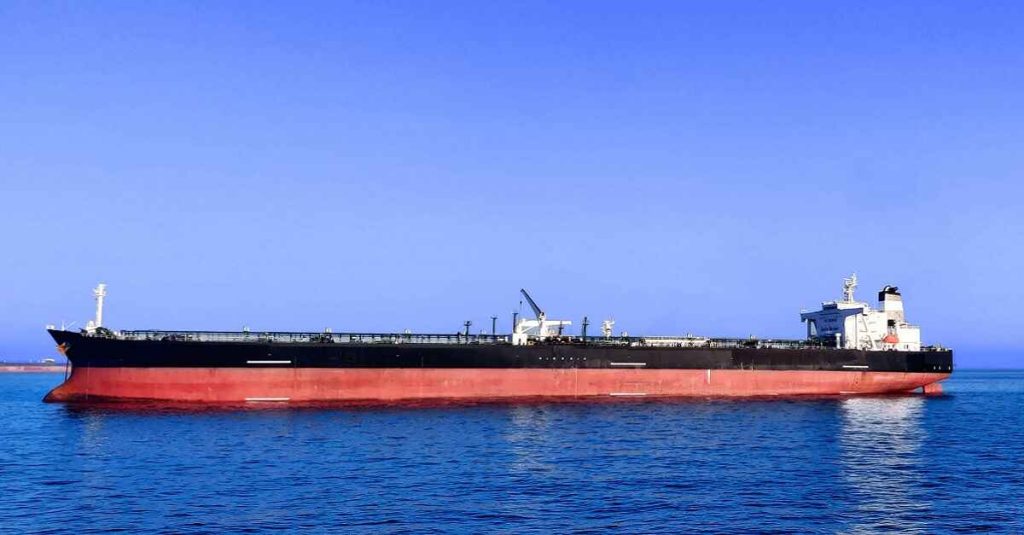
The dispute arose following the detention of the tanker Heroic Idun by Nigerian authorities after allegations concerning the vessel’s activities within Nigeria’s Exclusive Economic Zone (EEZ). The matter ultimately proceeded before ITLOS, where the Tribunal was asked to determine whether the actions taken against the vessel were consistent with the provisions of UNCLOS.
The case attracted considerable international attention due to its implications for freedom of navigation, flag State jurisdiction, the lawful exercise of coastal State powers and the treatment of seafarers during enforcement actions.
Ultimately, ITLOS found that several actions taken against the vessel breached international law and awarded compensation, resulting in the largest damages award ever granted by the Tribunal.
Freedom of Navigation
One of the most important aspects of this case reaffirmed the principle of freedom of navigation.
International shipping depends upon vessels being able to navigate safely and lawfully through international waters without unlawful interference. While coastal States possess important rights within their territorial seas and Exclusive Economic Zones, those rights are carefully balanced against the freedoms enjoyed by vessels engaged in international trade.
The Tribunal’s decision confirms that enforcement action affecting foreign-flagged vessels must always be exercised within the limits prescribed by international law.
Exclusive Flag State Jurisdiction
Another key point of the judgment concerns exclusive flag State jurisdiction.
Except in narrowly defined circumstances recognised by UNCLOS, ships operating on the high seas remain subject primarily to the jurisdiction of the State whose flag they fly. This principle provides certainty for international commerce and prevents conflicting claims of jurisdiction that could disrupt global shipping.
The Human Impact: Protection of Seafarers
Beyond its legal significance, the judgment also recognises the human consequences of unlawful vessel detention, which is often overlooked or completely disregarded.
The Tribunal acknowledged that prolonged detention affects not only commercial operations but also the welfare, liberty and rights of masters and crew members. Seafarers often find themselves at the centre of international disputes despite having little control over the commercial decisions that give rise to them.
The decision reinforces the principle that ships and vessels do not operate in a vacuum but are crewed and operated by seafarers. Accordingly, enforcement measures must always have due regard to their welfare, respect internationally recognised legal safeguards, and protect the rights of those serving at sea.
Vassallo Associates are Maritime Law experts. Contact us today to discuss your legal requirements.