Marine Audits
Such internal audits, with some being a requirement, are also eye-openers to deficiencies that may be improved upon to prevent future unwanted scenarios or to prevent deficiencies/detentions being raised when external audits are carried out by classification societies, port and flag state authorities or vessel charterers.

ISM Internal Audits
The ISM Code requires Shipping Companies to have procedures for conducting both internal and external audits to ensure the ship, as well as the shore organisation, is adhering to that set out in the Safety Management System. We offer certified and experienced ISM Lead Auditors who are available to conduct ISM audits onboard ships as well as ashore at companies’ offices.
ISPS Internal Audits
The International Ship and Port Facility Security Code (ISPS) require Shipping Companies to have procedures for conducting both internal and external audits to ensure the ship crew is implementing and familiar with the procedures mentioned in the Ship Security Plan. We offer experienced Internal Auditors who are available to perform ISPS audits onboard ships.
MLC Internal Verification Audits
The Maritime Labour Convention was established in 2006 by the International Labour Organisation with the aim to protect seafarers’ rights and welfare at their place of work, which is considered to be their second home. In the year 2020 377 deficiencies were raised by port state authorities during Paris MOU inspections on MLC-related issues.
An internal MLC verification audit serves to identify non-conformities and noteworthy remarks in this regard, thereby avoiding non-compliance issues during inspections by third parties and authorities. As part of the audits, we can suggest practical solutions to prevent similar future non-conformities from reoccurring.
Navigational Audits
Even though not a requirement in the ISM code, analysis of tanker incidents over a period starting from the year 1978 indicates that navigational incidents involving collisions, contacts or groundings have consistently accounted for around half of all marine incidents.
According to OCIMF TMSA element 5, the operator shall arrange independent navigational reviews to check navigational competence. A Navigational Audit is a systematic control of how the Ship Operator’s Navigational procedures are being followed. Our experienced and qualified Navigational Auditors can assist ship owners and managers in fulfilling this requirement.

Marine audits provide for safe practices in ship operation and a safe working environment.
“Beware of little expenses. A small leak will sink a great ship.” – Benjamin Franklin
IMCA-CMID Audits
IMCA’s CMID Audits are the offshore industry’s standard way of carrying out due diligence and safety verification inspections for vessels working in the offshore oil & gas and renewables sector. Our IMCA-accredited vessel inspectors can carry out such audits using IMCA’s eCMID standard format and database to enable clear reporting of the status of findings to the vessel owner and/or charterer.
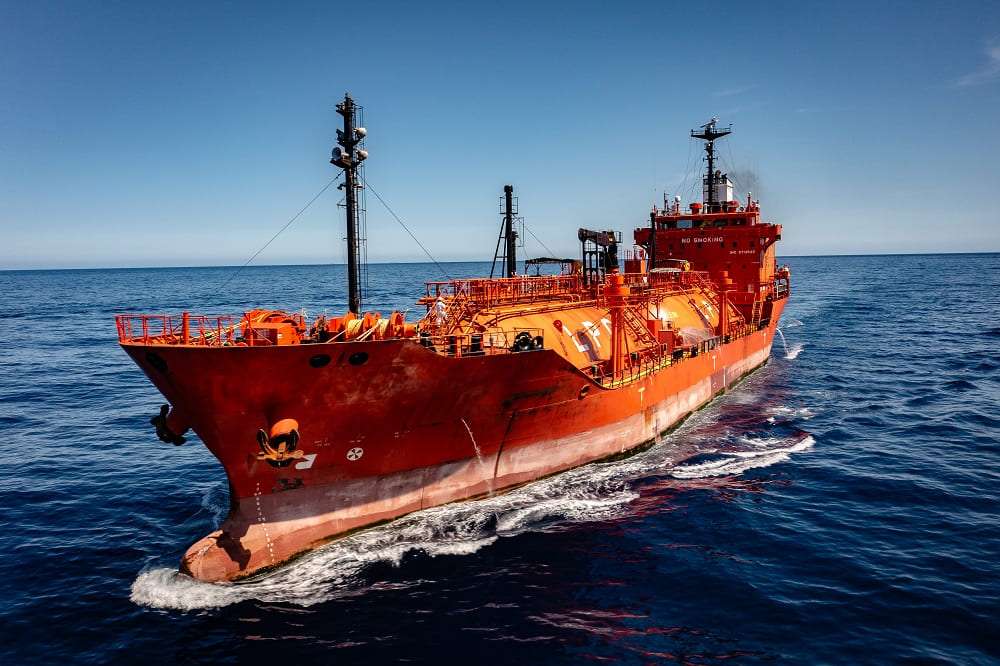
Image courtesy of @MiggianiOffshore
Pre-Vetting Services
Pre-vetting boat services entail a thorough examination and appraisal of a boat prior to its formal inspection or survey, typically to ensure compliance with safety, environmental, or regulatory requirements.
Pre-vetting services are essential for shipowners and operators because they lessen the possibility of delays, fines, or failed inspections by assisting in the identification and correction of possible problems before to the official vetting. These services are especially popular in the commercial maritime sector, as ships must frequently pass stringent inspections by port authorities, oil corporations, and other stakeholders before they are permitted to operate in particular waters or transport particular kinds of cargo.
Safety Audits
Safety onboard seagoing vessels should not just be on paper but should be implemented and adopted as a culture. By conducting periodic or occasional safety audits, we assist shipowners, managers and charterers in ensuring that safety measures and procedures are in place and are being implemented.
Shipyard Audits
It is recommended that during the shipyard selection process, prior to an invitation to tender, ship owners undertake an audit of the shipyards, which includes their technical, quality control and HSE management processes, technical capabilities, accessibility, available infrastructure, general services available and financial situation, amongst others. This will help control the risks associated when awarding a ship repair tender to a shipyard with which the shipowner has no prior experience.
We can help you today
Contact us now to discuss your Marine audit requirements.
